


How Digital Signage Drives Product Demand and Captures Customer Attention
Digital signage is one of the most powerful tools in modern retail and B2B environments. Here's how the right content strategy turns screens into sales engines.

Digital signage has evolved far beyond simple scrolling text or static promotional boards. Today, it represents one of the most effective, data-informed tools businesses can deploy to influence purchasing decisions, guide customer behaviour, and drive demand for the products they most want to promote. Whether you operate a retail showroom, a trade counter, a hotel, or a corporate campus, the strategic use of digital displays can meaningfully shift how customers engage with your offering.
Why Digital Signage Works: The Psychology of the Screen
Humans are inherently visual creatures. Research consistently shows that dynamic, moving content captures attention far more effectively than static imagery or printed materials. When a customer enters a space and sees a bright, well-placed display showcasing a product in action, their attention is drawn to it almost automatically — often before any member of staff has had the chance to make an introduction.
This is not accidental. Motion, contrast, and colour all trigger instinctive visual responses. Digital signage leverages these psychological principles to create what marketers call a "dwell effect" — meaning customers pause, watch, and absorb the message being displayed.
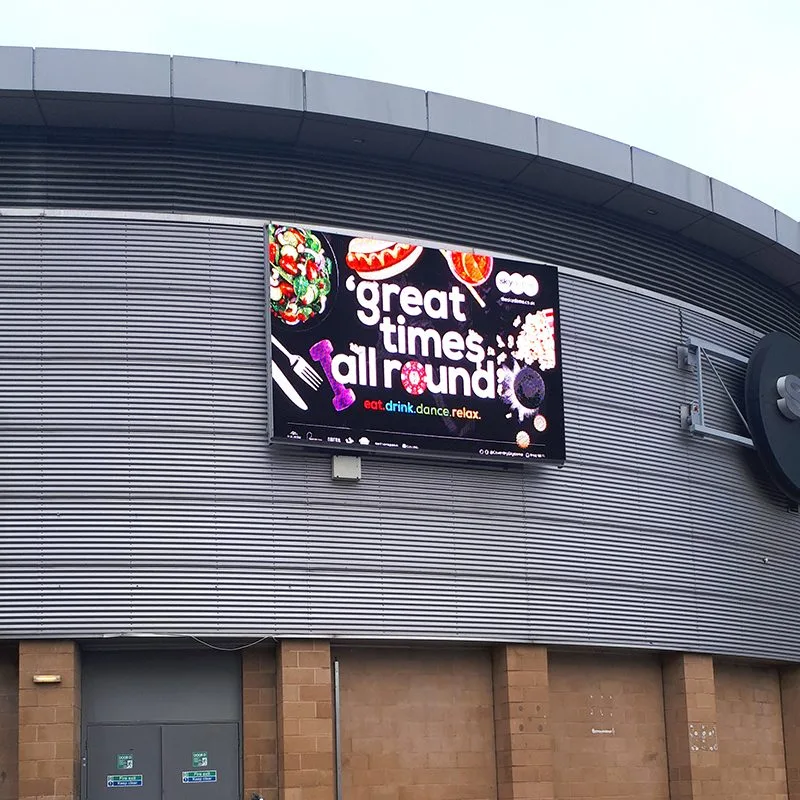
The longer a customer engages with content, the more likely they are to form a positive association with the product being promoted. This is the foundation upon which effective digital signage strategies are built.
Promoting the Right Products at the Right Moment
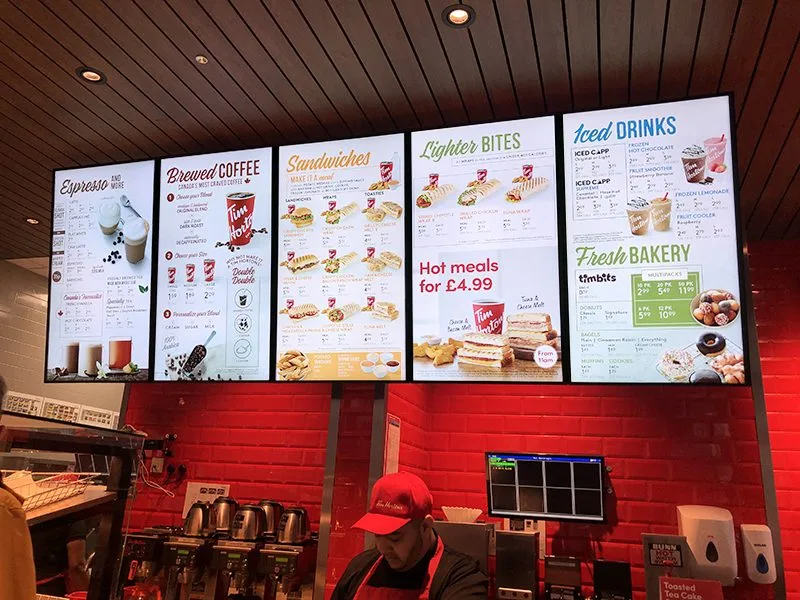
One of the most significant advantages digital signage holds over traditional promotional materials is flexibility and scheduling. With the right system in place, businesses can control exactly which products are promoted at any given time of day, week, or season.
Consider the following scenarios:
- A trade supplier might showcase their highest-margin product lines during peak morning hours when procurement managers are most active.
- A hospitality business might promote premium room upgrades during check-in times and dining offers in the early evening.
- A technology reseller might highlight specific solutions when a product demonstration is scheduled in the same space.
This level of control means your signage content becomes a proactive sales tool rather than a passive backdrop. You are not simply informing customers — you are actively shaping the journey they take through your environment and the decisions they arrive at as a result.
How Customers Interact With Digital Signage Content
Customer interaction with digital signage takes place on several levels, and understanding each of them helps businesses design more effective content.
Passive Viewing
The majority of digital signage consumption is passive. A customer is waiting, browsing, or walking through a space, and the screen enters their field of vision. They do not consciously choose to engage — but they absorb the message nonetheless. For this reason, content must be immediate and impactful. Key messages should land within the first two to three seconds. Clear visuals, bold headlines, and minimal text work best in this context.
Active Engagement
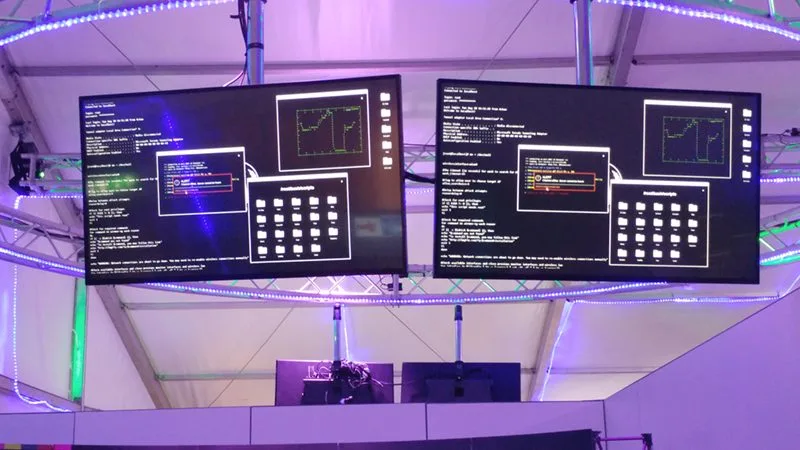
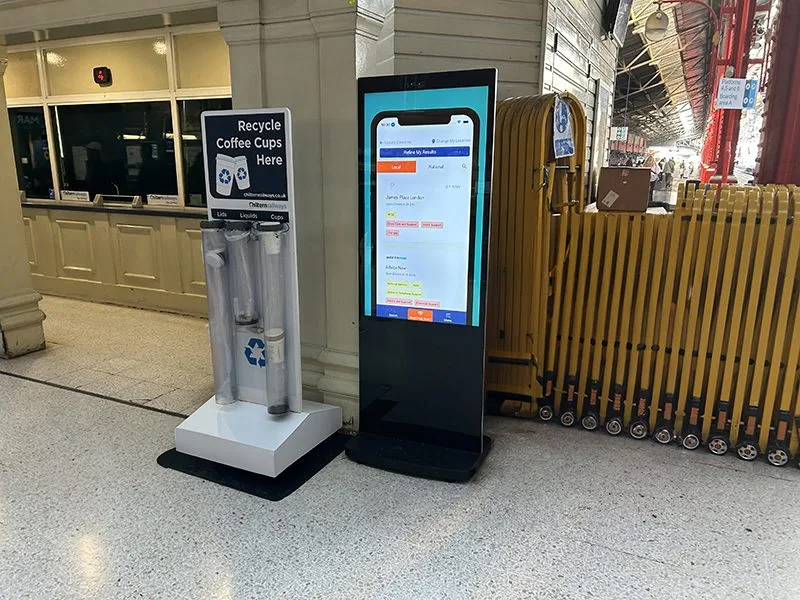
When signage is interactive — incorporating touchscreens, QR codes, or motion sensors — customers move from passive viewing into active engagement. This is a significantly more powerful state. A customer who taps a screen to find out more about a product, scan a code to view a specification sheet, or configure an option in a self-service kiosk is demonstrating genuine intent. Conversion rates among actively engaged customers are measurably higher than those who receive information through passive channels.
Emotional Response
Well-produced signage content can also elicit an emotional response. Lifestyle imagery, testimonial videos, and case studies shown on screen help customers picture themselves using a product or service. This aspirational quality is difficult to replicate through printed materials and is one of the reasons brands invest significantly in dynamic video content for display environments.
Content Strategy: What Makes Signage Perform
The hardware is only part of the equation. The content displayed on your screens is what ultimately determines whether digital signage delivers a return on investment. The most effective signage content tends to share several characteristics:
- It is concise. Customers do not stop to read paragraphs of text. Short, punchy messages with a clear call to action outperform detailed copy every time.
- It is visually led. Strong imagery or video footage of a product in use communicates far more efficiently than text descriptions.
- It is regularly refreshed. Customers who visit your environment repeatedly will stop noticing static content within a matter of days. Keeping content fresh maintains engagement over time.
- It is contextually relevant. Content that speaks directly to the customer's likely needs in that moment — whether that is a specific product category, a seasonal offer, or a solution to a known pain point — converts at a higher rate than generic messaging.
Placement and Environment Matter
Even the best content underperforms if the display is poorly positioned. Screen placement should be informed by how customers naturally move through a space. High-traffic areas, natural pause points such as reception desks or waiting areas, and locations near the products being promoted are all prime real estate for digital displays.
Brightness and screen size also play a role. A display that is too small or too dim will fail to register in a busy environment. Screens should be sized appropriately for the viewing distance and ambient lighting conditions of the space they occupy.
Building a Signage Strategy With the Right Partner
For businesses looking to implement or expand their digital signage estate, the most important first step is selecting hardware that is reliable, fit for purpose, and capable of running the content management systems you intend to use. Downtime on a display screen in a customer-facing environment is not just an inconvenience — it represents lost promotional time and a diminished brand impression.
At BOSH Group, we work with businesses across the UK and France to specify and supply digital signage hardware that meets the demands of real-world commercial environments. Whether you need a single display for a reception area or a network of screens across multiple sites, our team can help you identify the right solution.
The brands and products that win customer attention in today's competitive landscape are increasingly those that show up where customers are, in a format that speaks directly to them — and digital signage remains one of the most effective tools available to make that happen.